
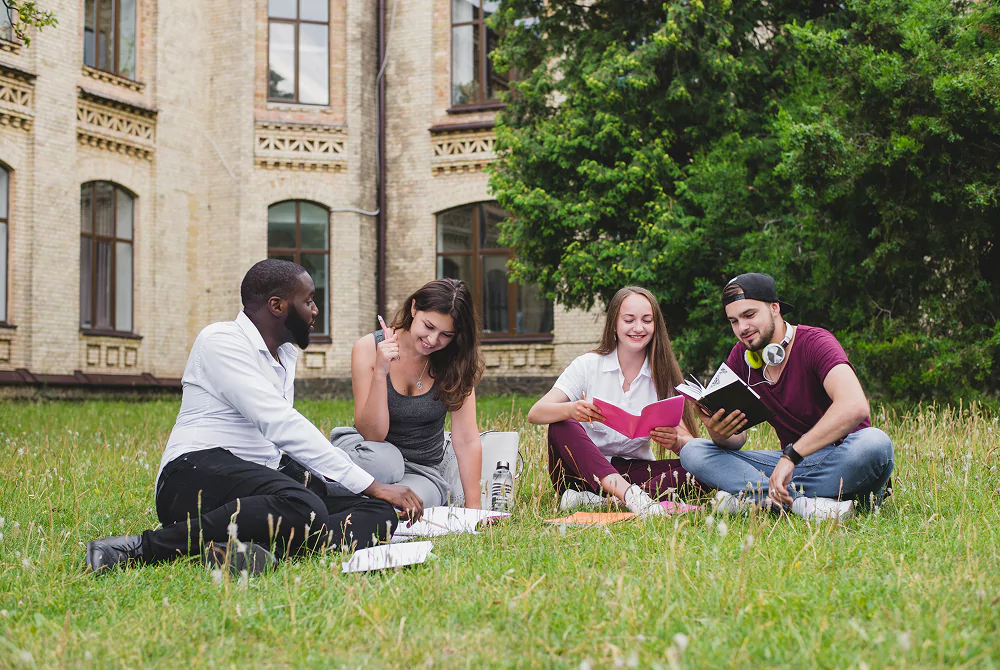
Teaching kindergarten is a journey filled with joy, surprises, and countless rewards. Every day brings new moments of curiosity, laughter, and discovery as young learners explore the world around them. As a teacher, witnessing their “aha” moments, encouraging their creativity, and guiding them through challenges is incredibly fulfilling. Each child brings unique perspectives, energy, and questions that inspire growth—not only for them but for me as well. From building friendships to developing early skills, the classroom is a vibrant space where learning meets play. Sharing these experiences highlights the beauty and impact of early education.
One of the most rewarding aspects of teaching kindergarten is seeing children develop confidence in themselves. Simple accomplishments, like learning to tie their shoes, sharing a toy with a friend, or confidently answering a question aloud, are milestones that reflect their growing independence. As a teacher, guiding students through these small but significant moments is incredibly fulfilling. Every smile, “aha” moment, and burst of excitement reinforces the importance of fostering a nurturing and encouraging environment.
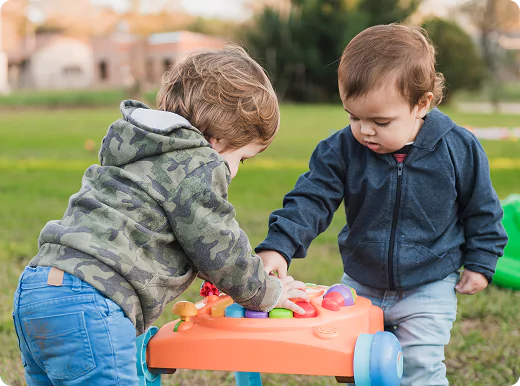
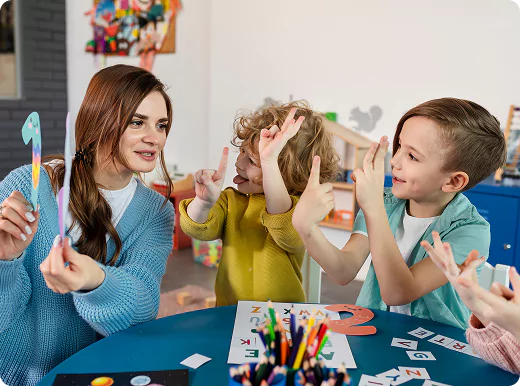
Kindergarten is also a time when creativity flourishes. Whether it’s through art, storytelling, imaginative play, or hands-on projects, children learn best when they are actively engaged and allowed to express themselves freely. Supporting their creative growth not only enhances cognitive skills but also nurtures social and emotional development. Teachers play a crucial role in providing opportunities for exploration while offering guidance, structure, and gentle encouragement. Watching a child proudly showcase their artwork or collaborate with peers is a reminder of the profound impact early education can have.
Equally important is the classroom community.
Teaching kindergarten is not just about academics; it’s about cultivating kindness, empathy, and respect. Each day, children learn essential social skills such as sharing, listening, problem-solving, and expressing their feelings. Teachers model these behaviors, creating a safe and supportive environment where every child feels valued and understood. Celebrating diversity and encouraging collaboration helps students develop strong interpersonal skills that will serve them throughout life.